Việt Nam là một đất nước拥有 a rich culinary culture with a diverse range of fish specialties, each region carrying its own unique flavors and cooking secrets. From the iconic national dishes in the North to the wild river treasures of the South and the exotic marine delicacies of the Central Highlands and coastal islands, Vietnamese fish specialties are not just food, but a cultural heritage. This article provides a comprehensive overview of 14+ famous fish dishes across the three regions of Vietnam, detailing the specific fish species used, traditional cooking methods, and practical tips for choosing and preserving high-quality dried fish products.
(summarizing the core entities):
Bài viết dưới đây sẽ hệ thống danh sách các đặc sản cá nổi tiếng theo từng vùng miền: Bắc, Trung, Nam, Tây Nguyên cùng những loài cá hiếu少见, đi kèm loài cá chính, cách chế biến đặc trưng và các kinh nghiệm chọn mua sản phẩm khô cá uy tín. Hãy cùng khám phá hành trình hương vị từ đồng bằng sông Hồng ra biển cả, từ núi rừng Tây Bắc đến đồng bằng sông Cửu Long.
Đặc sản cá miền Bắc: Hà thành, vùng núi và đồng bằng sông Hồng
Northern Vietnam boasts a rich culinary heritage, combining the elegance of the capital with the wild flavors of the mountains and the sweetness of the Red River Delta. The region’s fish specialties are deeply rooted in traditional processing techniques that highlight the natural sweetness of local freshwater fish.
Chả cá Lã Vọng (Hà Nội) – Hương vị nghìn năm của phố cổ
Chả cá Lã Vọng is a legendary Vietnamese dish made from cá lang (snakehead fish) or cá trê (catfish), marinated with turmeric, fried lightly, and then stir-fried with dill and vinegar right at the table, served alongside bún, mắm tôm, chanh, and ớt. The uniqueness of Chả cá lies in the table-side cooking process, which releases a fragrant aroma of turmeric and fresh dill. The dipping sauce, meticulously mixed from mắm tôm, sugar, lime juice, and minced chili, provides a perfect balance of sweet, sour, salty, and spicy flavors that elevates the tender, turmeric-yellow fish meat.
Cá kho Vũ Đại (Hà Nam) – “Vua” món mặn đất kinh
Cá kho Vũ Đại is famous for using cá trê or cá quả (large catfish), cooked in a traditional clay pot over straw fire, resulting in a rich, dark, sweet broth, soft but not mushy meat. The secret to its success lies in the use of specialized clay pots (đất nung) and the slow-cooking process with caramelized fish sauce, ginger, and green chili. The fish meat remains in whole blocks, incredibly tender and sweet without any fishy smell, making it an ideal pairing steamed rice.
Pa pỉnh tộp / Cá suối nướng trui (Tây Bắc: Lai Châu, Lào Cai, Yên Bái) – Hương rừng nguyên bản

Có thể bạn quan tâm: Cá Bống Sông Trà: Đặc Điểm Nhận Dạng, Cách Chọn Mua Chuẩn & Top Món Ngon Đặc Sản Quảng Ngãi
Pa pỉnh tộp is a rustic Northwest specialty made from cá suối (stream fish like carp or trout), marinated with mắc khén (wild cardamom seeds) and hạt dổi, then grilled over charcoal fire without aluminum foil, typically eaten with chẩm chẻo. The use of local forest spices like mắc khén gives the fish a distinct smoky, slightly numbing aroma that is characteristic of Northwest cuisine. Grilling the whole fish on bamboo skewers over red-hot charcoal captures the pure, wild flavor of mountain stream water.
Canh cá Quỳnh Côi (Thái Bình) – Thanh tinh ẩm thực đồng bằng
Canh cá Quỳnh Côi is a traditional soup from the Red River Delta made from cá trê or cá rô (fresh live fish), cooked either sour (with tamarind, lime) or sweet with rau đay, ngò gai, and cần tây. The broth is clear, naturally sweet from the fresh fish and bones, and aromatic with local herbs. It represents the light, healthy, and refined cooking style of the delta people, offering a comforting taste of home-cooked rustic simplicity.
Cá mòi nướng, kho, hấp (Hưng Yên) – Truyền thuyết “cá hóa chim ngói”
Cá mòi (white fish with a flat body) is a local delicacy of Hung Yen, known for its tender white meat, few bones, and sweet taste. It is prepared in various ways: grilled with salt & chili, braised with pepper, or steamed with soy sauce. Legend says the fish can turn into a tile bird (chim ngói) if it leaps over the dragon gate. The fish is best cooked simply to preserve its natural sweetness, often salt-grilled to keep the skin crispy and the meat succulent.
Đặc sản cá miền Trung: Từ biển đến suối, từ tươi sống đến khô muối
Central Vietnam offers a diverse range of fish specialties, ranging from deep-sea ocean fish to rare stream species, transformed into iconic dishes through unique regional processing methods that capture the essence of the local marine and riverine ecosystems.
Cá bống kho tộ / nướng than Sông Trà (Quảng Nam – Đà Nẵng)

Có thể bạn quan tâm: Đặc Sản Cà Ná Ninh Thuận: Khám Phá Hương Vị Biển Đảo Nổi Tiếng Nhất Miền Nam
Cá bống (sea white fish) from the Sông Trà area is famous for being braised in a clay pot with green pepper and chili (kho tộ) or grilled over charcoal, served with bánh tráng, fresh herbs, and chấm mắm nem. The fish has a firm texture and rich flavor that holds up well to intense spices. Braising it in a small clay pot caramelizes the sauce perfectly, while grilling brings out the smoky ocean scent, making it a favorite local beer snack.
Cá lệch (Miền Tây Nghệ An) – “Vua” cá suối giá trị cao
Cá lệch is a highly valued stream fish with an elongated, slender body and very few bones. Its meat is firm, sweet, and aromatic, suitable for many dishes: grilled with salt & chili, braised, sour soup, or made into fish cakes (chả). Because it lives in clean, fast-flowing streams, the meat is exceptionally clean and delicious. It is considered the “king of stream fish” in Nghe An, prized by discerning gourmets for its delicate texture.
Cá nhồng / Cá chim nướng muối ớt (Bình Thuận, Phú Yên) – Cá “thân dẹt” cao cấp
Cá nhồng (or cá chim) is a premium sea fish characterized by a flat body, thick skin, few bones, and fatty, delicious meat, commonly grilled with salt and chili, steamed with soy sauce, or braised. The flat body shape makes it easy to eat, while the rich fat content melts in the mouth. Grilling the whole fish with a salt and chili crust preserves its rich flavor and makes the skin incredibly crispy, a must-try for coastal food lovers.
Cá mú khô / Cá cơm khô (Đảo Phú Quý, Bình Thuận) – Quà biển độc đáo
Dried cá mú and dried cá cơm from Phu Quy Island are famous gifts from the sea, made by cleaning, salting, and sun-drying/sun-sunning with smoke, eaten grilled, fried crispy, or shredded with lime and chili dipping sauce. The natural sun-drying process on windy beaches gives the fish a characteristic sweet, salty flavor and chewy texture. It is a perfect snack for beer or a rustic dinner, capturing the pure taste of the ocean.
Đặc sản cá miền Nam: Vùng nước lũ và thương hiệu khô cá quốc gia
Có thể bạn quan tâm: Top 20 Đặc Sản Cà Mau Nổi Danh Năm 2027 – Liệt Kê Những Món Ăn Ngon Nhất Miền Tây Cần Thử
The South, with its vast river network and coastal lines, boasts vibrant river fish hotpots and a national brand of high-quality dried fish, representing the region’s rich culinary identity and the abundance of the Mekong Delta.
Bún cá / Lẩu cá miền Tây (Cá lóc, Cá trê, Cá kèo, Cá linh bông lau)
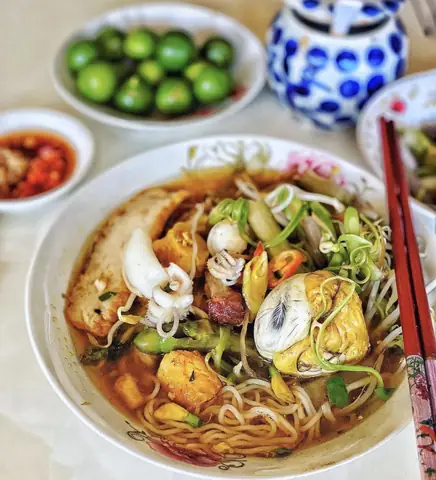
Southern river fish dishes like bún cá (snakehead fish noodle soup) and lẩu cá (fish hotpot) feature species like cá lóc, cá trê, cá kèo, and cá linh, cooked in a clear, sweet broth with a variety of local herbs and vegetables. The broth is made from fish bones, creating a naturally sweet flavor that highlights the freshness of the catch. Dishes like “lẩu cá kèo bông lau” or “cá linh nấu đậu bắp” are beloved local specialties, offering a vibrant, healthy, and interactive dining experience.
Khô cá Cà Mau (Khô cá đối, Khô cá mú, Khô cá lóc, Khô cá basa) – Thương hiệu quà biếu
Khô cá Cà Mau is a national specialty made from fresh fish like cá đối, cá mú, cá lóc, and basa, traditionally processed by hand: cleaned, lightly salted, and sun-dried naturally, resulting in a balance of salty, sweet flavor, crispy skin, and sweet meat. It is a popular gift choice, prized for its natural color (no artificial dyeing), chewy texture, and rich sea flavor. The drying process is carefully controlled to ensure the fish remains moist inside while becoming crispy on the outside, making it versatile for grilling, frying, or shredding into salads.
Đặc sản cá Tây Nguyên & Những loại cá “hiếm lạ” ít người biết
The Central Highlands (Tây Nguyên) and some remote areas are home to rare and unique fish species, which have become prized local specialties due to their exotic appearance and exquisite taste, appealing to adventurous food lovers.
Cá khô Hương / Cá suối khô (Đắk Lắk) – Hương vị rừng trên cao nguyên

Có thể bạn quan tâm: Top 15+ Đặc Sản Cà Mau Mua Làm Quà Chuẩn Vị 2027: Gợi Ý Xịn Xò, Giá Tốt, Dễ Chọn
Cá khô Hương (dried stream fish) from Dak Lak is made from wild stream fish (carp, trout), cleaned, salted, and sun-dried or smoked with charcoal, offering a rich, salty, smoky flavor with a chewy texture. It captures the essence of the forest streams on the high plateau, often eaten as a delicacy with local rice wine or as a hearty side dish that evokes the rustic flavors of the highlands.
Các loại cá “hiếm lạ” thành đặc sản: Cá ninja, Cá lẩu kiếng, Cá chình
Rare fish like cá ninja (bean shark with a weird shape, white meat), cá lẩu kiếng (cave-dwelling fish, sweet meat), and cá chình (eel with bumpy skin, fatty meat) have become high-end culinary items, prepared by steaming, hotpot, or grilling with salt & chili. Their unique shapes and challenging handling processes make them a novelty for culinary adventurers. Their meat is surprisingly sweet and tender when cooked properly, offering a unique sensory experience.
Món cá đặc sản kiểu nhà hàng chuyên nghiệp (Cá heo, Cá hổ, Cá chạch läu, Bọ biển)
High-end restaurant dishes feature premium marine species like cá heo (fried crispy or braised), cá hổ (huge farmed tiger grouper), cá chình lóc (snakehead eel), cá chạch läu (loach), and bọ biển (sea bug), requiring professional culinary skills to handle and cook. These species are valued for their premium texture and rich collagen. Cooking them requires precise temperature control and sophisticated flavor pairing to satisfy demanding diners looking for a luxury dining experience.
Kinh nghiệm chọn mua và bảo quản đặc sản cá chế biến sẵn (Khô, Muối, Ngâm)
When buying dried or preserved fish specialties, knowing how to select high-quality, safe products and how to store them properly is essential to ensure the best flavor and food safety, especially when looking for regional gifts.
Tiêu chí nhận biết cá khô ngon, sạch, không phẩm màu
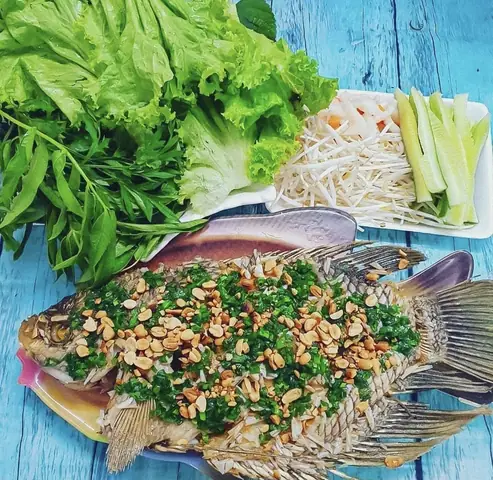
To choose good, clean dried fish without artificial colors, look for natural colors (yellow-brown or light pink), elastic meat that doesn’t stick to hands, a strong fresh fish aroma without chemical smells, and check the packaging label and expiration date. Avoid overly bright orange fish, as it may contain excessive sulfur or artificial dyes. High-quality dried fish should smell like the ocean, not ammonia, and the meat should feel firm yet pliable.
Phân biệt các dòng cá khô phổ biến: Cá đối, Cá mú, Cá cơm, Cá lóc khô
Common dried fish types include cá đối (large, meaty), cá mú and cá cơm (smaller, chewy), and cá lóc (sweet white meat). They differ in size, meat thickness, saltiness, crispiness, price, and best cooking methods (grilling, frying, soup). Dried snakehead (cá lóc) is usually sweeter and more expensive, while dried ribbonfish (cá đối) is widely used for daily meals. Choosing depends on whether you want a snack or a main ingredient, with dried sea fish generally offering a richer ocean taste.
Cách bảo quản cá khô, cá muối lâu mốc, giữ nguyên hương vị
To preserve dried fish and salted fish without mold, ensure they are completely dry and cool before storing them in airtight bags or boxes in a cool, dry place; for long-term storage, use the refrigerator (6-12 months). Never store warm or moist fish, as it promotes mold. Vacuum sealing is an excellent method to extend shelf life and maintain original taste, preventing the fish from absorbing other odors in the fridge.
Gợi ý tiêu chí chọn địa chỉ mua đặc sản cá uy tín online và offline
Choose reputable sellers by verifying clear origin (farming or wild catch), food safety certifications, real customer reviews, return policies, and transparent pricing. Buying from local cooperatives or trusted specialty shops ensures authenticity and quality, especially for regional gifts like Ca Mau dried fish or Phu Quy dried sea fish. Always ask for the production date and ingredients list to make an informed decision, supporting sustainable fishing practices and local communities.
Cập Nhật Lúc Tháng 10 10, 2026 by Quản Trị Viên